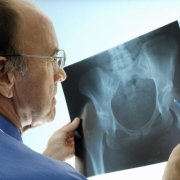
The Power of Prevention: Proactive Steps for Orthopaedic Health

Maintaining orthopaedic health is vital for everyone. Our bones, joints, and muscles play a crucial role in our everyday activities.When they are healthy, we can move freely, remain active, and enjoy life without pain. However, many people overlook the steps necessary to keep their musculoskeletal system in top shape. ThatS where the power of prevention comes in.By taking proactive measures, we can reduce the risk of injuries and conditions that could negatively affect our quality of life. This article will explore simple yet effective ways to maintain orthopaedic health and wellness.
Understanding Orthopaedic Conditions
Before we dive into prevention strategies, it’s essential to understand what orthopaedic conditions are. These include problems with bones, joints, muscles, ligaments, and tendons. Common conditions include:
- Arthritis
- Osteoporosis
- Tendonitis
- Sprains and strains
- Fractures
Many of these conditions can be prevented with the right lifestyle choices and habits.
Steps to Prevent Orthopaedic injuries
1. stay Active
Regular physical activity is crucial for strong bones and muscles. Engage in a mix of exercises that promote overall fitness:
- Aerobic Exercises: Activities like walking, jogging, cycling, or swimming improve cardiovascular health and enhance endurance.
- Strength Training: Lifting weights or using resistance bands at least twice a week builds muscle and stabilizes joints.
- Versatility Work: Stretching and yoga improve the range of motion and reduce the risk of injuries.
tips for Staying Active:
- Set regular workout times to build a routine.
- Try new activities to keep things interesting.
- Always warm up before and cool down after exercising.
2. Maintain a Healthy Weight
Carrying extra weight puts additional stress on your joints, notably in the knees, hips, and back. Maintaining a healthy weight can significantly lower the risk of developing conditions like osteoarthritis.
How to Achieve a Healthy Weight:
- Focus on a balanced diet rich in fruits, vegetables, whole grains, and lean proteins.
- Keep portion sizes in check.
- Limit processed foods, sugary drinks, and excessive unhealthy fats.
- Consult a dietitian for personalized dietary advice.
3.Prioritize Good Posture
Poor posture can lead to musculoskeletal pain and injuries over time. Practicing good posture can protect your spine and joints.
Good Posture Tips:
- sit up straight with your feet flat on the ground.
- Use ergonomic furniture when working at your desk.
- Avoid slouching or leaning forward when reading or using your phone.
- Strengthen your core muscles to support proper alignment.
4. Invest in Proper Footwear
Your feet support your entire body, making appropriate footwear essential for orthopaedic health. Poor shoes can lead to injuries and contribute to foot problems.
What to Look for in Footwear:
- Arch support and cushioning.
- Appropriate fit; shoes should not be too tight or too loose.
- Sturdy soles that provide traction.
- Specific shoes for different activities (sports,work,casual).
5. Stay Hydrated
Staying hydrated helps keep your cartilage healthy by maintaining its elasticity and flexibility. Proper hydration also aids in muscle function.
Tips for Staying Hydrated:
- Aim for at least 8 cups (64 ounces) of water a day.
- Increase your water intake during hot weather or when exercising.
- Incorporate hydrating foods like fruits and vegetables.
6. Don’t Ignore Pain
Listening to your body is crucial. If you experience persistent pain, don’t ignore it. Early intervention can prevent minor issues from becoming serious problems.
- Consult a healthcare professional for an evaluation.
- Adhere to recommended treatment plans and follow-up appointments.
- Modifying activities to prevent further injury is essential.
7. engage in Prevention-focused Activities
Incorporating specific activities into your routine can promote your long-term musculoskeletal health.
Consider adding:
- Balance Exercises: Simple activities like standing on one leg can improve stability.
- Low-impact Aerobics: Walking or swimming are easier on the joints while still providing cardiovascular benefits.
- Tai Chi: This mind-body practice enhances balance, coordination, and flexibility.
8. Schedule Regular Check-Ups
Regular visits to a healthcare professional can definitely help identify potential concerns before they develop into real issues.
- Get screened for osteoporosis if you’re at risk.
- Discuss any family history of orthopaedic conditions.
- Keeping your doctor informed about any chronic pain can lead to appropriate referrals for specialists when needed.
Summary
Investing in orthopaedic health is a vital step toward improving your overall well-being. Preventative measures like staying active, maintaining a healthy weight, prioritizing good posture, investing in proper footwear, staying hydrated, addressing pain promptly, engaging in preventative activities, and scheduling regular health check-ups can significantly reduce your risk of musculoskeletal injuries and conditions.
Embrace the power of prevention today! By making small,positive changes in your daily life,you can safeguard your orthopaedic health and enjoy a vibrant,active lifestyle for years to come. Remember, your bones and joints deserve the same care and attention as the rest of your body. The journey to orthopaedic wellness starts with you!