
Orthopaedic Health Throughout the Lifespan
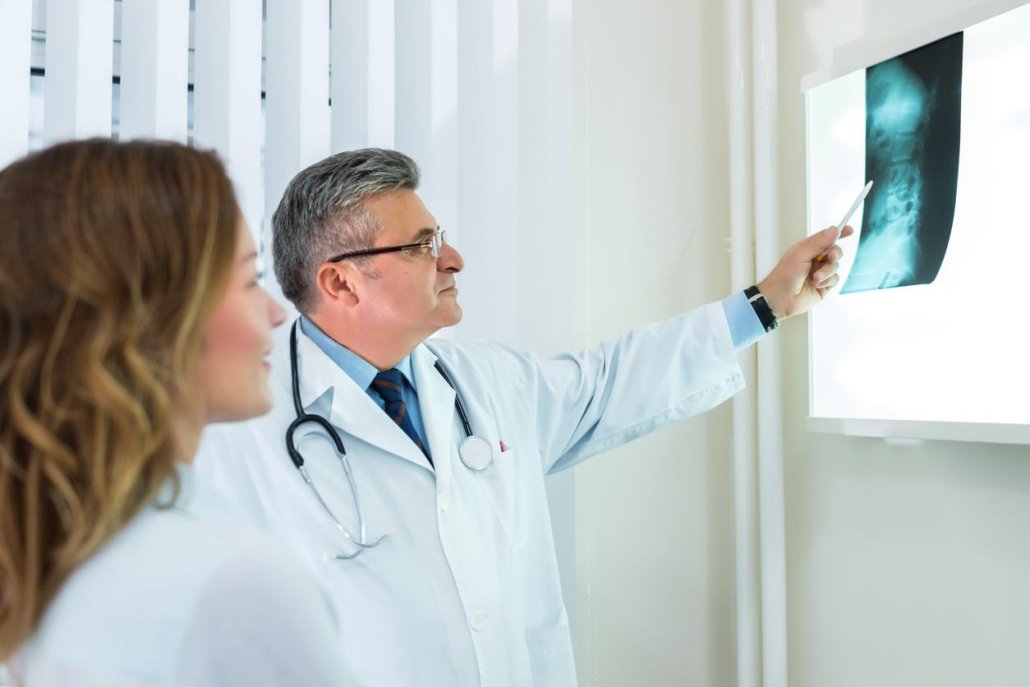
Maintaining good orthopaedic health is essential for everyone, regardless of age or activity level. Our bones, joints, and muscles support our movement and daily activities, making them vital for overall health and well-being.Understanding how to protect our orthopaedic health can lead to a more active and fulfilling life.
In this article, we will explore how to promote orthopaedic health at different life stages, provide tips to prevent common injuries, and offer practical steps to reduce the risk of musculoskeletal conditions as you age.
Early Childhood: Building Strong Foundations
Importance of Early Care
During childhood, our bones are growing and developing. It’s crucial to lay a strong foundation for future health.
Key Points
- Encourage Active Play: Physical activity is essential for bone health. Encourage your child to engage in various activities, like running, jumping, and climbing.
- Balanced Diet: Include plenty of calcium-rich foods such as milk,yogurt,cheese,and leafy greens. Vitamin D is also crucial—sunshine and foods like fish can help.
- Proper Footwear: Invest in supportive shoes. Avoid ill-fitting shoes which can lead to foot and ankle problems.
Actionable Tips
- Limit Screen Time: Encourage outdoor play instead of sitting indoors. Aim for at least 1 hour of physical activity every day.
- Promote good Posture: Teach your child to sit up straight at school and home to prevent back issues.
Adolescence: Active Sports and Growth Spurts
The Challenge of Growth
During the teenage years, many individuals participate in sports, leading to an increased risk for injuries.
Common Injuries
- Sprains and strains
- Growth plate injuries
- fractures
Prevention Strategies
- Stay Hydrated: Drink water before, during, and after physical activity.
- Warm-Up and Stretch: Begin every workout with a proper warm-up to prepare muscles and joints.
- Cross-Training: Mix different sports and activities to avoid overuse injuries.
Actionable Tips
- Teach Injury recognition: Encourage adolescents to listen to their bodies and rest when they feel pain.
- Use Proper Techniques: Attend coaching sessions to learn the right techniques for sports to reduce injury risk.
Adulthood: Maintaining Mobility and Strength
The Importance of Regular Activity
Adulthood brings new responsibilities,but staying active is vital for orthopaedic health.
Common Conditions
- Osteoarthritis
- Tendonitis
- Chronic pain
Steps to Prevent Issues
- Regular Exercise: Incorporate strength training and flexibility exercises into your routine. Aim for at least 150 minutes of moderate aerobic activity weekly.
- Healthy Weight Management: Maintain a healthy weight to reduce stress on joints.
Actionable Tips
- Consider a Buddy System: Exercising with a friend can make workouts more enjoyable and help keep you accountable.
- Choose Low-Impact Activities: activities like swimming or cycling reduce joint strain while still providing a good workout.
older Adults: Focus on Joint Health and flexibility
Aging Gracefully
as we age, maintaining joint health becomes increasingly important for preserving mobility and independence.
Common Concerns
- osteoporosis
- Joint degeneration
Prevention Tactics
- Strength and Balance training: Incorporate exercises like yoga and tai chi to enhance balance and flexibility.
- Nutritional Support: Ensure adequate calcium and vitamin D intake to support bone density.
Actionable Tips
- Regular Check-Ups: regular medical check-ups can monitor bone density and joint health.
- Stay Active: Engaging in regular physical activities like walking can help maintain bone health.
Summary
Orthopaedic health is important at every life stage, from childhood through older adulthood. Here are the main points to remember:
- Childhood: Encourage physical activity, a balanced diet rich in calcium, and proper footwear.
- adolescence: Promote hydration, warm-up exercises, and injury recognition.
- Adulthood: Focus on regular exercise, weight management, and low-impact activities.
- Older Adults: Engage in strength and balance training, and ensure a nutritious diet.
Taking proactive steps to protect your orthopaedic health can contribute to a more active, fulfilling lifestyle. By understanding the specific needs of each life stage, everyone can set themselves up for a better quality of life.


