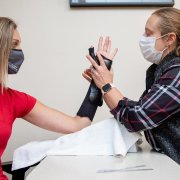
Common Orthopaedic Myths Debunked

When it comes to orthopaedic health and wellness, misinformation is all too common. Myths about bones, joints, and muscles can lead to unnecessary fears, injuries, or poor health choices. In this article, we will debunk some of the most common orthopaedic myths, helping you understand the truth behind them. By shedding light on these misconceptions, we can empower you to take better care of your body, prevent injuries, and improve your overall wellness.
Myth 1: “Lifting Weights Causes Arthritis”
The Truth:
Many people believe that lifting weights puts too much strain on the joints and leads to arthritis. However, research has shown that weightlifting can actually strengthen muscles and support joint health when done correctly.
How to Prevent Injury:
- Start Slowly: If you’re new to weightlifting, ease into it with lighter weights and gradually increase as you build strength.
- Use Proper Form: Visit a trainer or watch instructional videos to learn how to lift correctly. Avoid using momentum.
- Include Variety: Combine strength training with cardio and flexibility exercises to support overall fitness and joint health.
Myth 2: “Cracking Your Knuckles Causes Arthritis”
The Truth:
The sound of cracking knuckles is often associated with arthritis, but studies show that this habit does not lead to joint damage or arthritis. The sound is caused by gas bubbles popping in the synovial fluid around the joints.
How to Prevent Unnecessary Worry:
- Stay Informed: Understanding that knuckle-cracking is safe can help reduce anxiety about joint health.
- Focus on Health: Instead of worrying about habits, focus on maintaining overall joint health through regular movement and exercise.
Myth 3: “You Shouldn’t Exercise with Back Pain”
The Truth:
While it’s important to listen to your body, staying active is crucial for recovery. Gentle movement can help ease back pain and prevent it from worsening.
How to Safely Exercise:
- Consult a Doctor: Before starting any exercise program, consult a healthcare professional for personalized advice.
- Try Low-Impact Activities: Engage in activities like swimming, walking, or yoga, which are gentle on the back.
- Strengthen Core Muscles: Focus on strengthening the muscles around your spine to provide better support.
Myth 4: “If It Doesn’t Hurt, You’re Not Injured”
The Truth:
Just because you don’t feel pain doesn’t mean everything is fine. Many musculoskeletal injuries develop gradually and may not show immediate symptoms.
How to Stay Proactive:
- Regular Check-Ups: Visit an orthopaedic specialist for routine check-ups, especially if you engage in high-impact activities.
- Pay Attention to Symptoms: If you experience stiffness or reduced range of motion, consult with a professional even if pain is absent.
- Practice Preventive Care: Engage in stretching and mobility exercises to maintain flexibility and strength.
Myth 5: “Older Adults Shouldn’t Exercise”
The Truth:
Exercise is essential for everyone, regardless of age. For older adults, regular physical activity can improve mobility, balance, and overall health.
How to Encourage Activity:
- Start with Gentle Activities: Begin with walking, light stretching, or seated exercises if you’re new to fitness.
- Join a Class: Look for community classes tailored to seniors, focusing on strength, balance, and flexibility.
- Set Small Goals: Create achievable goals to help maintain motivation and celebrate progress.
Myth 6: “All Pain Should Be Treated with Rest”
The Truth:
While rest is sometimes necessary, prolonged inactivity can worsen some injuries. Proper management often includes a balance of rest and activity.
How to Manage Pain Effectively:
- Ice and Heat Therapy: Use ice to reduce swelling and heat to soothe tight muscles.
- Move Within Limits: Engage in gentle movement to keep blood flowing and promote healing—consult a professional for guidelines.
- Follow a Rehabilitation Plan: If injured, adhere to a rehabilitation program designed by a healthcare provider.
Summary of Key Points
Understanding the truths behind common orthopaedic myths is crucial for maintaining long-term health and wellness. Here’s a quick recap of the main points covered:
- Lifting Weights does not cause arthritis; it can improve joint health.
- Cracking Knuckles is harmless and does not lead to arthritis.
- Exercising with Back Pain can be beneficial; seek professional guidance.
- Not Feeling Pain does not indicate you’re injury-free; be proactive about your health.
- Older Adults should prioritize exercise to promote health and well-being.
- Not All Pain requires rest; a balance of activity and rest is essential for recovery.
By debunking these myths, we encourage you to stay active, informed, and engaged in your orthopaedic health. Remember, always consult with a healthcare professional for personalized advice and care tailored to your specific needs. Taking action today means paving the way for a healthier tomorrow!